The case
My direction · 02
I have seen
what advocacy
can do.
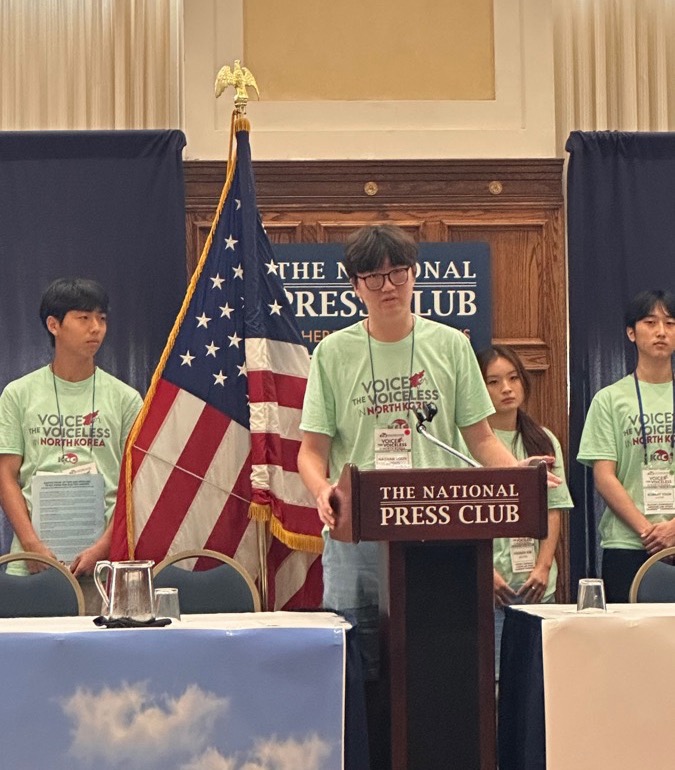
In July 2026, I stood at the National Press Club in Washington, D.C. and spoke for people who cannot speak for themselves. That week settled the question of what I want to do with my life.
01 / The work
Speak up.
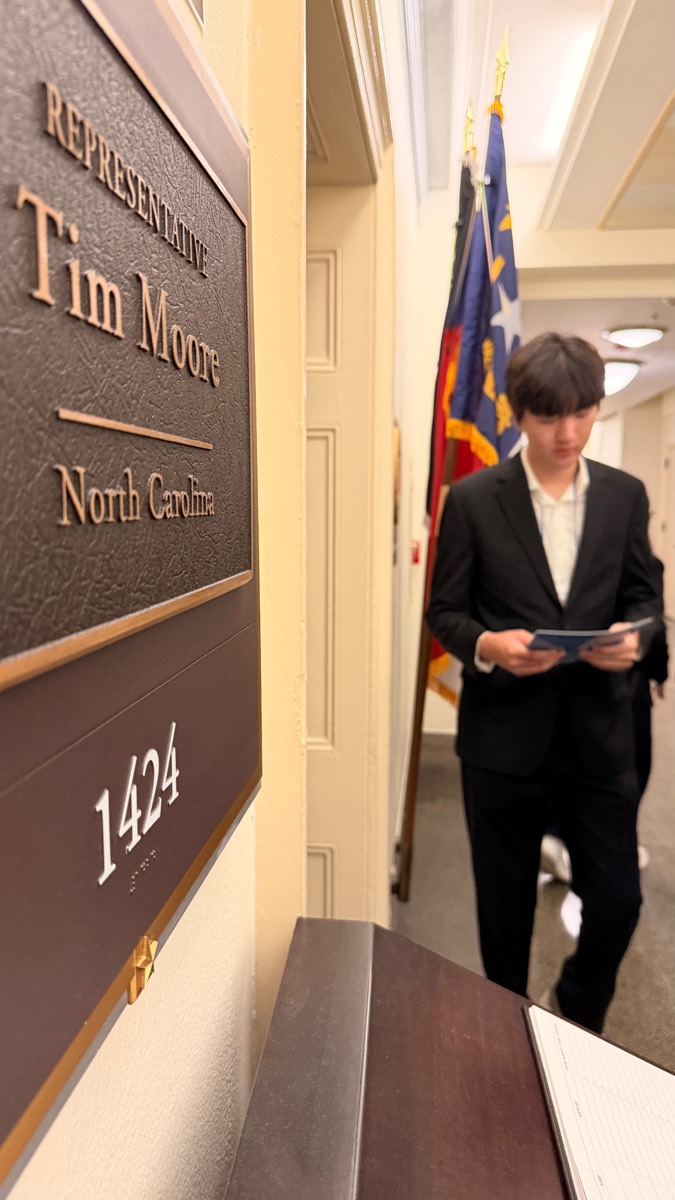
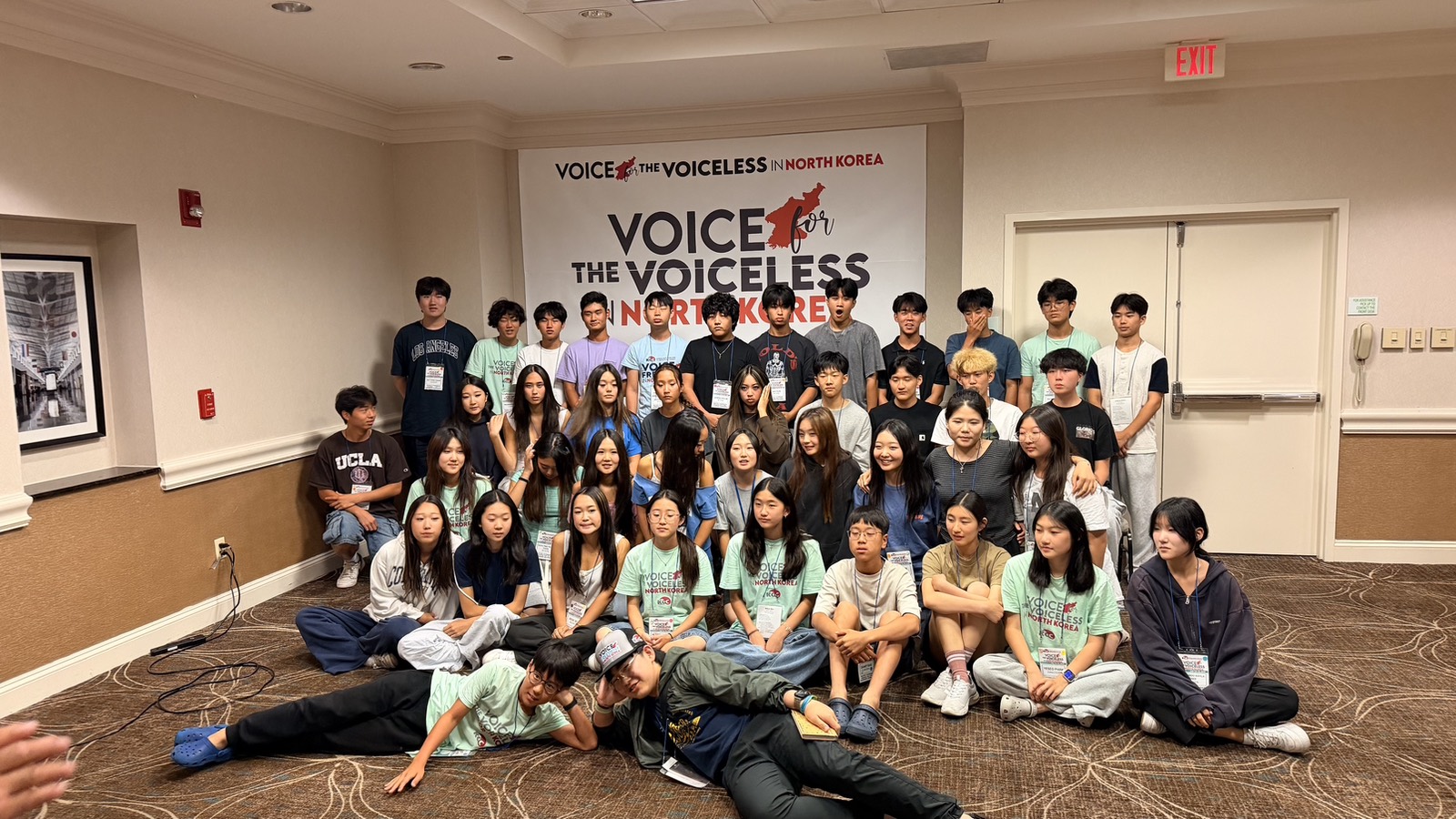
Through the Korean Church Coalition’s Summer Missions and Intern Leadership Program, I joined forty students from across the country to advocate for North Korean human rights and refugee protection. I led my grade-level group through the full schedule, delivered a speech at the National Press Club, and met directly with lawmakers to press the case.
02 / The lesson
Words move institutions.
I learned English at five by reading my way through a library. In D.C. I saw the other end of that arc: language, aimed carefully at the people with power to act, is how change actually happens. Law is the discipline that does this professionally.
03 / The training
Build the craft.
As founder and president of my school’s Voice for the Voiceless chapter, I work with over 40 members on human rights advocacy. My training includes Crean Lutheran’s Law Cohort, serving as bailiff on the school’s mock trial team, UCI’s Mock Trial Boot Camp, speech and debate, and the City of Irvine’s Teen Community Police Academy—where I studied how law enforcement, conflict resolution, and civic responsibility work on the ground.
The verdict
History taught me to see a problem through many lenses. Law is how I’ll do something about it.
July 2026 · Washington, D.C.
The week that settled it.
Looking toward college
The questions I’m taking with me.
- Which area of law—human rights, immigration, public interest—will let me contribute most?
- How do institutions decide whose voice gets heard, and how can advocates change that?
- How do I keep becoming a clearer writer, a more careful listener, and a more responsible advocate?